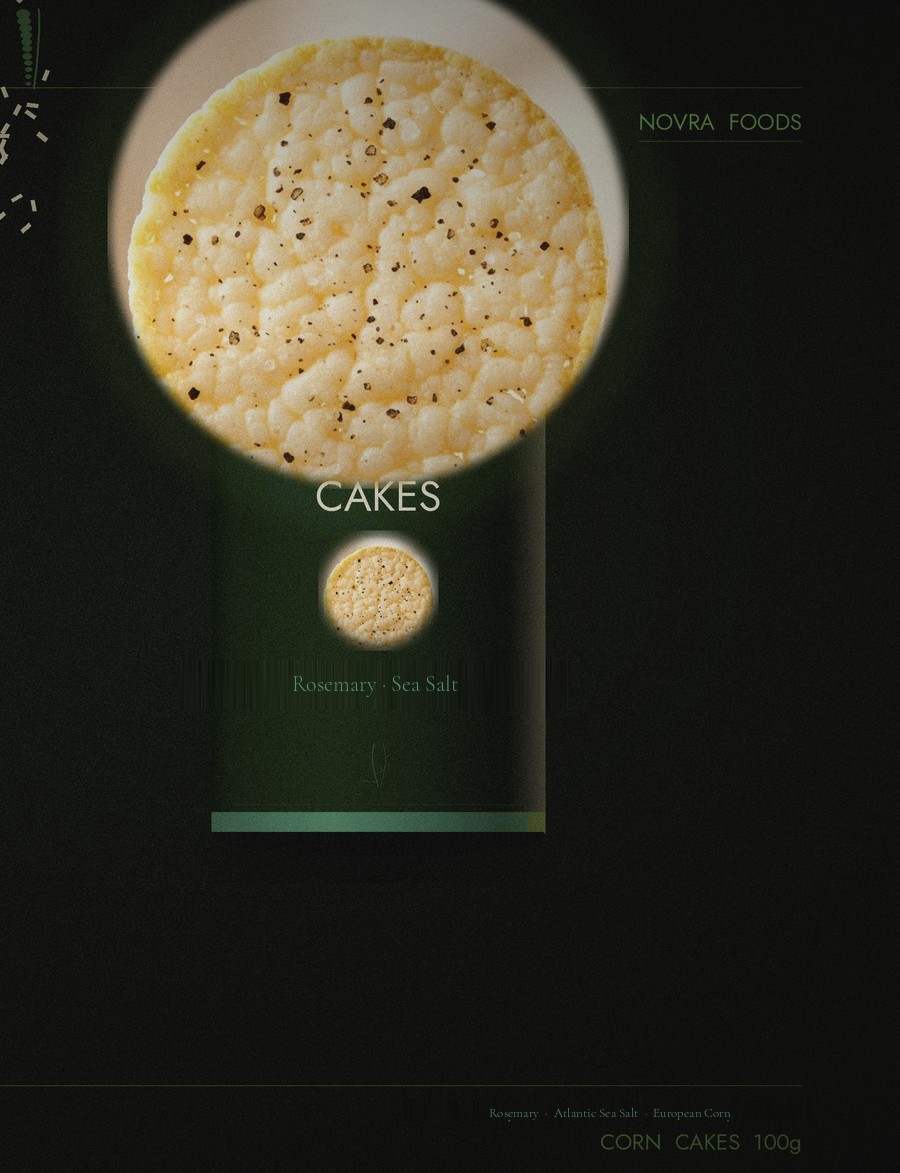
Slow-dried versus fast-dried
A question of volatile oils.
Rosmarinus officinalis from the Provençal highlands. Slow-dried to preserve volatile aromatic oils that high-heat drying destroys. Combined with coarse Atlantic sea salt, the result is a herb presence that is resinous rather than medicinal — forest rather than pharmacy.
The volatile aromatic compounds in rosemary — the terpenes that give it its characteristic resinous quality — begin to degrade above 40°C. Industrial herb drying operates at 60–80°C because it is faster. The difference in the resulting product is significant: fast-dried rosemary retains its basic flavour signature but loses depth. The dried result smells of rosemary but tastes somewhat flat. Slow-dried rosemary, dried at temperatures that keep volatile oils intact, retains an aromatic complexity that behaves differently in a product — it releases at different points as you eat, rather than all at once. We use a Provençal supplier with a dedicated slow-drying facility. The herbs cost more. They are worth it.
Flavour Profile
- Provençal rosemary — resinous, forest-like
- Atlantic sea salt — coarse, mineral
- Olive oil — green, structural
Ingredients
Organic corn · Extra virgin olive oil · Provençal rosemary (slow-dried) · Coarse Atlantic sea salt
Suggested Pairings
Burrata with olive oil · Goat's cheese · Dry rosé wine · Elderflower sparkling water